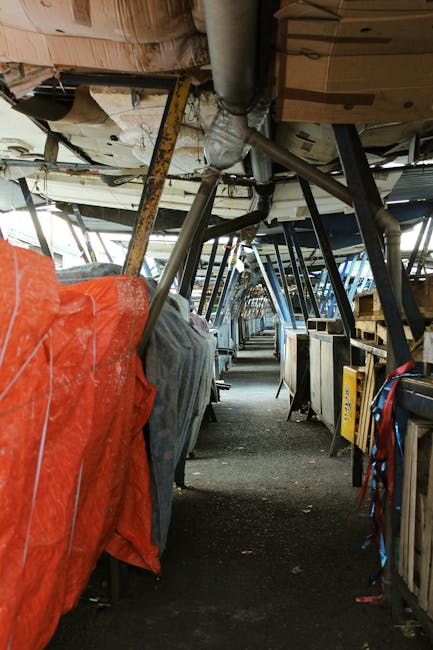
Brixton Market rubbish removal guide for local traders
If you trade at Brixton Market, you already know that rubbish builds up faster than most people expect. Cardboard after a busy delivery day, old packaging, broken fittings, food waste, worn-out stock, the occasional fridge that has finally given up. It all piles up, and suddenly your stall or unit feels smaller, messier, and harder to work in. This Brixton Market rubbish removal guide for local traders is here to make the whole process simpler, calmer, and more practical.
The aim is straightforward: help you clear waste properly, avoid unnecessary disruption, and keep your trading space tidy without making a drama out of it. Because let's face it, when you are trying to serve customers, reload stock, and stay on top of everything else, waste management is not the thing you want to spend your day thinking about. But it does matter. A lot.
Table of Contents
- Why Brixton Market rubbish removal guide for local traders Matters
- How Brixton Market rubbish removal guide for local traders Works
- Key Benefits and Practical Advantages
- Who This Is For and When It Makes Sense
- Step-by-Step Guidance
- Expert Tips for Better Results
- Common Mistakes to Avoid
- Tools, Resources and Recommendations
- Law, Compliance, Standards, or Best Practice
- Options, Methods, or Comparison Table
- Case Study or Real-World Example
- Practical Checklist
- Conclusion
- Frequently Asked Questions
Why Brixton Market rubbish removal guide for local traders Matters
Markets run on pace. Early starts, quick turnover, sudden rushes, wet weather, deliveries arriving when they arrive. In that kind of environment, waste is never just "a bit of rubbish". It can become a trading problem, a safety issue, and sometimes even a customer experience problem.
For local traders, good rubbish removal keeps walkways clearer, reduces odours, helps avoid pest issues, and makes it easier to work around stock, crates, and equipment. It also helps you present a professional stall. People notice more than you think. A clean, well-managed pitch feels organised, and that creates confidence.
There is another layer too. Waste left in the wrong place can block access routes, interfere with neighbours, or create friction with market management. If you have ever tried to move a sack of mixed waste through a narrow busy corridor at 8:30 on a Saturday morning, you will know how quickly a small job becomes a nuisance. Not ideal.
Good rubbish removal is also part of keeping trading time focused on trading. The less time you spend stacking waste in corners or waiting for the right moment to deal with it, the more time you can spend serving customers and replenishing stock. That simple.
Expert summary: For traders at Brixton Market, waste removal works best when it is planned, regular, and matched to the type of rubbish you create. The real win is not just clearing waste; it is keeping your trading space efficient, safe, and ready for the next busy hour.
How Brixton Market rubbish removal guide for local traders Works
In practice, rubbish removal for market traders usually follows a simple flow. First, you identify the waste stream. Then you separate what can be recycled, what needs specialist handling, and what can go together. After that, you choose the most suitable clearance method and arrange collection at a time that fits the market rhythm.
The waste itself may include cardboard, plastic wrap, crates, damaged display items, food packaging, broken shelving, old signs, worn textiles, or end-of-line stock that is no longer saleable. Some traders also need help with bulky items such as fridges, display units, or tables. If that is the case, services like business waste removal or general waste removal are often the most practical starting points.
For bulkier fixtures, or if you are clearing a space after a refit, a service such as builders waste clearance can be more suitable, especially when there is rubble, packaging, offcuts, or mixed heavy debris. If your waste includes a broken appliance, you may need a more specific option such as fridge and appliance removal.
In a busy market setting, timing matters almost as much as the collection itself. You want the clearance to happen before waste starts spilling into customer areas, but not so early that it disrupts setup. That balance is usually the difference between a smooth day and a slightly frazzled one.
Key Benefits and Practical Advantages
There are a few very practical reasons traders take market rubbish removal seriously. The benefits are not abstract. You notice them on the ground, in the pace of the day, and often in how smoothly the stall runs.
- Better presentation: A clear stall or unit looks more professional and more inviting.
- Improved safety: Less clutter means fewer trip hazards and less awkward manoeuvring.
- Faster turnaround: When waste is removed properly, you can reset the space quicker between trading days.
- Better neighbour relations: You are less likely to inconvenience nearby traders or block shared access.
- Cleaner working conditions: Waste held too long can smell, attract pests, or simply get in the way.
- More space for stock: If you are not using corners for rubbish storage, you can use them for actual trading.
There is a commercial side too. A tidy pitch can help with customer trust, especially in food-adjacent trading areas where cleanliness is part of the buying decision. Customers may not say it out loud, but they do notice whether a stall feels controlled or chaotic.
And for traders working long days, there is something quietly reassuring about starting with a blank slate. Fresh floor. No backlog. No awkward pile of flattened boxes leaning at a funny angle. It feels better. You work better too.
Who This Is For and When It Makes Sense
This guide is relevant to a wide range of Brixton Market traders, not just those with obvious waste problems. In fact, the busiest operators are often the ones who benefit most, because their waste profile changes quickly across the week.
- Food traders dealing with packaging, prep waste, crates, and service leftovers
- Clothing and accessories traders with hangers, cardboard, wrapping, and damaged stock
- Independent retailers with display waste, old signage, and broken fixtures
- Pop-up traders who need a fast clear-out at the end of a short run
- Businesses refurbishing or reconfiguring a stall
- Units with occasional bulky waste or end-of-season stock
It also makes sense if you are noticing one of the following patterns:
- your waste is taking up valuable trading space
- you are spending too long making ad hoc disposal trips
- you have mixed waste that is awkward to sort on site
- your team is unsure what can be kept, recycled, or removed
- you need a one-off clearance after a busy event, delivery wave, or refit
Truth be told, even traders with modest waste volumes often benefit from a proper system. It is not always about quantity. Sometimes it is about avoiding the little messes that slowly become the big ones.
Step-by-Step Guidance
If you want a sensible process, keep it simple and repeatable. The best systems are usually the ones that are easy to follow under pressure, not the ones that look clever on paper and collapse by Thursday.
- Do a quick waste audit. Look at what you are throwing away over a normal trading week. Separate cardboard, plastics, food-related waste, damaged goods, and bulky items.
- Identify anything special. Fridges, electrical items, contaminated materials, or anything potentially hazardous should be treated separately.
- Decide what can be reused or donated. Some packaging, fixtures, or stock may not need disposal at all if there is another use for them.
- Choose the right collection method. For mixed commercial rubbish, business waste removal is often the cleanest fit. For heavier clearance work, builders waste clearance may be more appropriate.
- Bundle waste safely. Keep lighter materials tied or boxed, and avoid overfilling bags. Nobody wants a burst sack on a busy passageway.
- Schedule collection around trading hours. Choose a time that avoids peak customer flow and delivery windows where possible.
- Check access. Make sure the collection point is reachable and that items can be moved without obstructing the market.
- Confirm what will be taken. This avoids last-minute surprises, especially with bulky or specialist waste.
- Keep records where useful. For business housekeeping, it helps to know what was removed, when, and how often.
A small but useful habit: store waste by type from the moment it is created. That sounds obvious, but in a market setting it is incredibly easy for "temporary" piles to become permanent fixtures. One box becomes two, then suddenly the box has a box.
Expert Tips for Better Results
Here are a few things that tend to make a real difference for traders, especially in a busy market environment where time is tight and space is at a premium.
Use smaller containers for faster sorting
Instead of letting waste accumulate in one large, mixed pile, use smaller containers for different material types. Cardboard, shrink wrap, and general rubbish are easier to manage when they do not all end up together. It saves time later, which is the whole point.
Plan for the end-of-day rush
Many traders do their best sorting at closing time, when energy is low and everyone wants to get home. If that sounds familiar, build a routine that is simple enough to do when you are tired. Keep it short. Keep it obvious. Otherwise it just gets skipped.
Choose recycling first where practical
Not every item needs to go into general waste. Mixed recyclable materials, clean cardboard, and some reusable fixtures can often be diverted more sensibly. If sustainability matters to your brand, it is worth reviewing the options on recycling and sustainability.
Separate bulky items early
One broken display shelf or tired cabinet can dominate a small trading area. Do not leave bulky waste to the end. Move it out of the way as soon as you know it is going, then plan the clearance properly.
Think about storage, not just disposal
Sometimes the problem is not waste itself, but where it sits before collection. A dry, secure holding area makes a huge difference. Wet cardboard in a corner near a doorway is a nuisance; cardboard stored neatly and compactly is manageable. Small detail, big effect.
And if you handle paperwork, customer lists, or sensitive records, remember that disposal is not only about physical clutter. A service like confidential shredding may be useful where documents need secure destruction.
Common Mistakes to Avoid
Even experienced traders slip into the same waste-handling traps. No judgement here. When you are busy, you do what is quickest. The trouble is, quickest is not always smartest.
- Mixing everything together: This makes sorting harder, slower, and sometimes more expensive.
- Leaving waste in walkways: It creates safety risks and can obstruct daily movement.
- Waiting too long to arrange removal: Waste then spills into trading time, which is exactly when you need the space most.
- Forgetting bulky items: One large item can cause far more disruption than several bags of lighter rubbish.
- Ignoring specialist disposal needs: Appliances, hazardous materials, and some electrical waste should not be treated like ordinary rubbish.
- Assuming all waste can be handled the same way: That is where things get messy, both literally and administratively.
Another common mistake is overestimating how much "later" there will be. There never seems to be as much later as we imagine. Waste decisions that get postponed tend to come back with interest.
Tools, Resources and Recommendations
You do not need a complicated setup to manage market waste well. A few practical tools are enough if they are used consistently.
- Sturdy sacks or bins: Good for keeping waste contained and easier to move.
- Cardboard cutters and box breakers: Helpful for reducing volume before collection.
- Labelled containers: Useful where sorting is needed across more than one material stream.
- Trolleys or cages: These can make internal movement safer and quicker.
- Gloves and basic PPE: A sensible precaution, especially when handling mixed waste or sharp packaging.
- A simple weekly waste log: Not glamorous, but genuinely useful for planning.
If you are comparing disposal options, it can help to understand what is suitable for different waste types. For example, what can go in a skip is a useful reference point if you are weighing up bulk removal versus other collection methods. Where furniture or fixtures are involved, furniture disposal and furniture clearance may also be relevant.
If you are dealing with mattresses, sofas, or similar bulky soft furnishings from a market unit or associated business space, mattress and sofa disposal can be a more direct fit than a general waste approach. It sounds niche, but then again, waste rarely follows neat categories.
Law, Compliance, Standards, or Best Practice
Waste handling for traders in London should be approached carefully and sensibly. You do not need to overcomplicate it, but you do need to respect the basics: duty of care, proper segregation where possible, safe storage, and using a lawful waste carrier for removal.
For market traders, good practice usually means keeping rubbish off public pathways, preventing overflows, and making sure anything that needs special handling is treated separately. That includes items that may be hazardous, contaminated, or simply not suitable for ordinary mixed waste. If you are unsure, it is better to pause and check than to guess.
Health and safety is part of this too. Lifting awkward items, moving sacks through crowded spaces, and storing waste near busy areas all carry obvious risks. A sensible approach is to follow clear site procedures, use suitable equipment, and keep people out of the way while collection is taking place. If you want to review operational expectations, health and safety policy and insurance and safety are useful starting points.
If a trader's waste includes hazardous materials, specialist disposal is essential. Do not try to improvise with chemicals, contaminated containers, or unknown substances. Use a dedicated route such as hazardous waste disposal. And if you are clearing a unit after a fit-out or repair, builders' debris may need builders waste clearance rather than standard collection.
Best practice, in plain English, means being consistent, not casual. Waste should be handled in a way that protects staff, customers, neighbours, and the trading environment. Simple as that.
Options, Methods, or Comparison Table
Different waste situations call for different approaches. A trader clearing a few boxes each day does not need the same setup as someone replacing shelving, removing appliances, or emptying a back room.
| Method | Best for | Strengths | Watch out for |
|---|---|---|---|
| Routine business waste collection | Everyday commercial rubbish, packaging, mixed light waste | Simple, predictable, good for regular trading | Can become inefficient if bulky items build up |
| One-off waste removal | Unexpected clear-outs, end-of-season stock, ad hoc waste | Flexible and fast | Needs clear item lists and access planning |
| Bulky item disposal | Furniture, fixtures, display units, appliances | Handles awkward items properly | May require separate booking for specialist items |
| Builders-style clearance | Refits, repairs, mixed heavy debris | Good for heavy and messy jobs | Not ideal for small everyday waste |
| Recycling-led sorting | Cardboard, packaging, cleaner material streams | Supports sustainability and tidier workspaces | Needs more discipline on site |
To be fair, most traders use a combination rather than one single method. That is often the most efficient route. Routine waste gets handled one way, bulky or irregular items another, and special waste gets separated out before it causes problems.
Case Study or Real-World Example
Picture a small trader who runs a busy Saturday stall. By mid-afternoon, they have cardboard from deliveries, damaged packaging, a broken step stool, and a few awkward end-of-line items that can no longer be displayed. Nothing outrageous, but enough to crowd the back area and make loading awkward.
For weeks, the trader had been stacking waste "just for now" beside the stall frame. By closing time, that corner had become a bottleneck. Customers were unaffected during the rush, but staff had to squeeze past boxes, and the whole setup looked more cramped than it needed to. It also meant waste handling was always happening at the worst possible moment.
Once they introduced a simple routine, things changed. Cardboard was flattened immediately. Mixed waste was bagged separately. The broken stool was marked for removal straight away rather than shoved out of sight. A weekly collection was booked for the heavier items, and anything reusable was kept out of the waste stream.
The result was not glamorous. No grand transformation. Just a cleaner stall, fewer trip hazards, and a much less annoying end-of-day pack-down. Sometimes that is the real win. Less friction. Less faff.
Practical Checklist
Use this as a quick reference before arranging rubbish removal for your Brixton Market trading space:
- Sort waste by type before collection day
- Separate cardboard, recyclables, general rubbish, and bulky items
- Identify anything that needs specialist handling
- Flatten boxes and reduce volume where possible
- Keep walkways and shared access areas clear
- Book collection at a time that avoids peak trade
- Make sure staff know where to place waste safely
- Check access for removal crews or vehicles
- Keep documents and sensitive items out of ordinary waste
- Review whether reusable items should be kept, donated, or cleared
- Use a reliable commercial waste arrangement for ongoing needs
- Reassess your waste routine after busy periods or changes in stock
If you are looking to tidy a larger trading base or back-of-house area, related services such as office clearance, garage clearance, or even loft clearance can be useful when stock, storage, or old fittings have built up over time. For traders who also manage premises at home, those links can help keep the whole operation under control.
Conclusion
Brixton Market rubbish removal does not need to be complicated, but it does need to be thought through. The traders who stay on top of waste are usually the ones who protect their space, reduce stress, and keep their pitch working properly day after day. That is the real value here: not just removing rubbish, but making trading easier.
If you remember only one thing from this guide, let it be this: the best waste system is the one you can maintain on a busy day, not just in theory. Keep it simple, separate waste early, and choose the right removal route for the job in front of you.
And if your stall or unit is already feeling overrun, do not wait for the perfect time. There usually is not one. Start with the biggest problem item, clear the space a bit, and build from there. A small reset can change the mood of the whole day.
Get a free quote today and see how much you can save.
Clean space has a quiet kind of power. It helps people breathe easier, work faster, and leave with a better impression. That matters at Brixton Market, probably more than most people admit.
Frequently Asked Questions
What kind of rubbish do Brixton Market traders usually need removed?
Most traders deal with cardboard, packaging, mixed commercial waste, broken display items, old stock, food-related waste, and occasional bulky pieces such as shelving or appliances. The exact mix depends on the type of stall or unit, but waste tends to build up fast in busy trading environments.
Is regular business waste removal better than one-off clearances?
For traders with predictable weekly waste, regular business waste removal is usually easier and more efficient. One-off clearances make more sense for seasonal stock, refits, or sudden bulk waste. A lot of traders use both, which is often the most practical answer.
Can I mix cardboard, plastic wrap, and general waste together?
You can, but it is usually not the best approach. Separating cleaner materials like cardboard and plastic wrap can improve recycling and make disposal simpler. Mixed waste is manageable, yet sorting first often saves time and hassle later.
What should I do with old display furniture or shelves?
Older fixtures, cabinets, and shelving usually need a bulkier clearance approach. Depending on the item, furniture disposal or furniture clearance may be more suitable than general waste removal.
How do I handle broken fridges or appliances from a market unit?
Appliances should not be treated like ordinary rubbish. A specific service such as fridge and appliance removal is usually the safer and more appropriate option, especially where electrical or cooling equipment is involved.
Do I need to worry about hazardous waste?
If your waste includes chemicals, contaminated materials, or anything unusual, yes, you should treat it carefully. Hazardous items should be separated and handled through a specialist route such as hazardous waste disposal. If you are unsure, do not guess.
How can I keep my stall clear during busy trading hours?
Flatten boxes as soon as they are empty, use labelled containers, and move bulky waste out of the way early. It also helps to set a fixed end-of-day routine so rubbish does not get left for "later", because later has a habit of disappearing.
Is recycling worth the extra effort for market traders?
Usually, yes. Even small improvements in recycling can reduce clutter and make the work area easier to manage. If you want to build a stronger waste routine, the page on recycling and sustainability is a useful starting point.
What if I only have a small amount of waste each week?
Even low-volume traders benefit from a clear system. Small amounts of waste can become a problem when they are awkward, wet, bulky, or left in the wrong place. A simple routine keeps things from becoming a mess over time.
Can market waste removal help with customer experience?
Yes, absolutely. Clean, tidy trading areas feel more organised and more professional. Customers may not comment directly, but they do respond to the atmosphere. A neat stall usually feels easier to trust.
What should I check before booking a collection?
Check what waste you have, whether anything needs specialist treatment, how much space is available for loading, and the best time to avoid disruption. If the removal team needs access through tight areas, plan that in advance. It saves everyone a headache.
Where can I find more information on waste rules and good practice?
Within this site, pages such as health and safety policy, insurance and safety, and what can go in a skip can help you think through the practical side of disposal and site management. For anything uncertain, it is always better to check carefully than to rush.