Commercial Waste Lambeth: Recycling and Sustainability for a Greener Borough
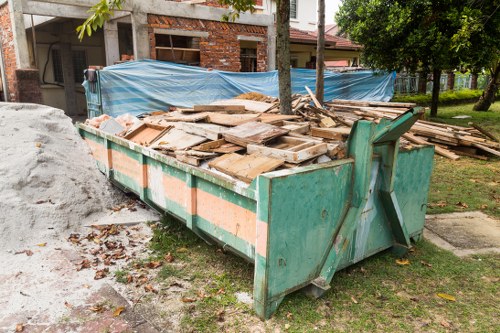 Commercial Waste Lambeth is committed to developing an eco-friendly waste disposal area and a truly sustainable rubbish area that supports local businesses, reduces carbon and boosts reuse. This overview outlines targets, operational hubs, charity partnerships and the low-carbon fleet investments that make Lambeth's approach to commercial waste pragmatic and ambitious.
Targets and measurable ambitions
Our borough-wide recycling percentage target is a visible commitment: we are aiming for a 65% commercial recycling rate by 2030. That target sits alongside interim milestones and annual performance reviews, and is backed by policies that encourage waste prevention, reuse and high-quality recycling. Lambeth commercial waste workstream measures tonnage diverted from landfill, reductions in residual waste per business and improvements in separated stream quality.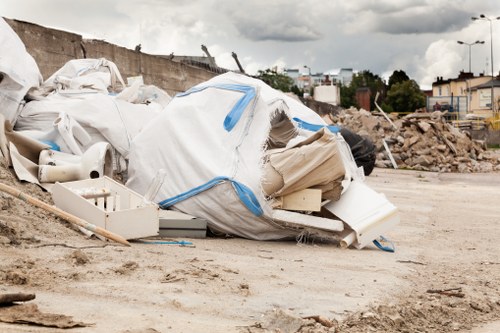
How businesses fit into the separation framework
Businesses operating in the borough are encouraged to follow the borough's approach to waste separation: segregating food waste, dry recyclables (paper, card, rigid plastics), glass and WEEE at source. Responsibility for correct separation of commercial rubbish helps ensure materials enter the right recycling process and supports the sustainable rubbish area model.Local transfer stations and consolidation hubs play a central role in turning separated streams into valuable materials. These transfer points accept consolidated loads from multiple small businesses and local collectors, reducing the number of heavy journeys and enabling efficient onward transport to recycling facilities. Strategic siting of these facilities in industrial zones and near river routes helps cut vehicle miles and supports the low-carbon supply chain.
 Low-carbon vans and operational efficiency are core to lowering the carbon footprint of commercial waste collection. The fleet incorporates electric and hybrid vans, complemented by Euro 6 low-emission vehicles where electrification is not yet practical. Telematics, route optimisation and depot-based charging mean fewer empty miles and lower emissions for every tonne collected—an essential element of an eco-friendly waste disposal area.
To ensure high capture rates for hard-to-recycle items, the borough works with specialist collectors and certified processors for food waste, textiles and electricals. Commercial Waste Lambeth supports businesses in implementing segregation systems that match those processors' requirements, improving material quality and end-market value.
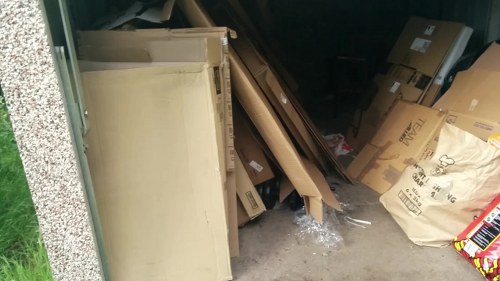 Partnerships with charities and social enterprises are a cornerstone of our reuse strategy. Instead of consigning perfectly reusable items to disposal streams, the scheme connects businesses with charities that collect furniture, surplus food and repairable electronics. These partnerships create social value by supporting local projects, reducing resource demand and extending product lifecycles.
Examples of recycling activity across the borough include:
- Paper and cardboard baled at transfer stations and shipped to local mills.
- Glass and rigid plastics sorted for remanufacture.
- Food waste collected separately and sent to anaerobic digestion for energy and compost.
- Textiles redirected to charity shops or fabric recycling schemes.
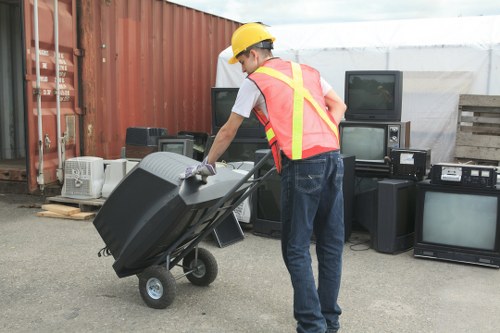
- WEEE and batteries processed by licensed e-recyclers to recover metals.
- Construction and demolition waste routed to resource recovery facilities for crushing, sorting and reuse.
These activities reflect the borough's practical, business-facing approach to sustainable commercial waste management and to creating a resilient sustainable rubbish area network.
Designing an eco-friendly waste disposal area for businesses
The physical design of sustainable rubbish areas emphasises easy segregation, staff training and safe, weather-protected bays for separated streams. Green infrastructure is integrated where possible—green roofs, permeable surfacing and solar canopies at transfer hubs reduce environmental impacts and improve local amenity.Operational best practice and accountability
Commercial Waste Lambeth promotes regular waste audits, contracts that require high-quality separation and reporting clauses that track recycling percentage targets. Strong operational controls ensure materials do not get lost to residual streams and that charity partnerships receive usable goods, not contaminated loads.In summary, Lambeth's approach to commercial waste combines an ambitious recycling percentage target, strategically located transfer stations, collaborative charity partnerships and a modern low-carbon van fleet. Businesses benefit from a clearer path to compliance, cost savings through reduced waste, and the satisfaction of participating in a borough-wide shift towards a circular economy. Together, these measures make the borough's eco-friendly waste disposal area and sustainable rubbish area model both practical and replicable across urban settings.
