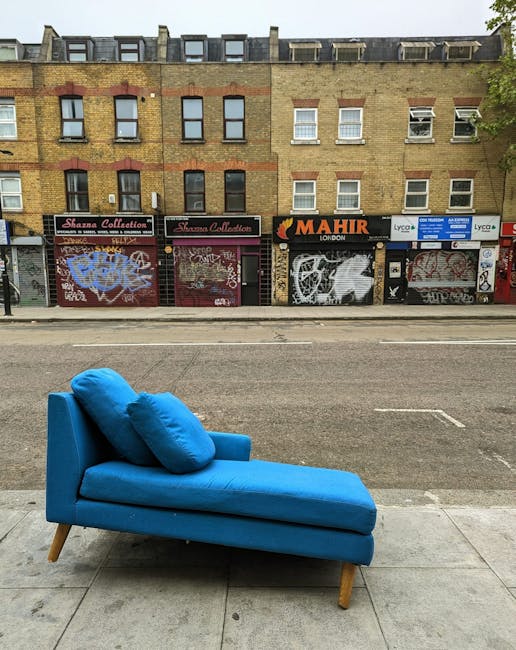
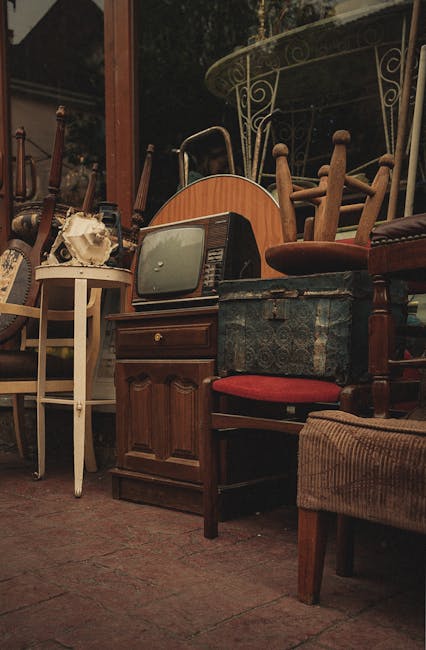
Clapham Common furniture donation spots before rubbish removal: a practical local guide
If you are trying to clear a sofa, dining table, bed frame, or a few awkward chairs in Clapham Common, the best outcome is often not a straight trip to rubbish removal. First, check whether the item can be donated. That simple step can save money, reduce waste, and give perfectly usable furniture a second life. In a busy part of South London, where flats are tight on space and lift access is not always kind, a clear plan makes all the difference. This guide walks through Clapham Common furniture donation spots before rubbish removal, how the process works, what to watch out for, and when a professional clearance is the smarter route.
Truth be told, a lot of furniture is discarded too early. A solid chest of drawers with a scuff. A table with a wobbly leg that can be tightened. A sofa that is clean but simply no longer fits the room. Those items often still have reuse value, and donation should be your first stop if the condition is right.
Before you start, it helps to know the broader picture too. If donation is not realistic, you may need furniture clearance or furniture disposal. And if the job is bigger than one or two items, a wider home clearance or flat clearance may be the cleaner solution. But let's not get ahead of ourselves.
Table of Contents
- Why Clapham Common furniture donation spots before rubbish removal Matters
- How Clapham Common furniture donation spots before rubbish removal Works
- Key Benefits and Practical Advantages
- Who This Is For and When It Makes Sense
- Step-by-Step Guidance
- Expert Tips for Better Results
- Common Mistakes to Avoid
- Tools, Resources and Recommendations
- Law, Compliance, Standards, or Best Practice
- Options, Methods, or Comparison Table
- Case Study or Real-World Example
- Practical Checklist
- Conclusion
- Frequently Asked Questions
Why Clapham Common furniture donation spots before rubbish removal Matters
Donation before disposal matters for three very ordinary but important reasons: waste reduction, local usefulness, and cost control. If a chair can be reused by someone else, it should not automatically become waste. That is especially relevant in Clapham Common, where people often move in and out of smaller homes, furnished rentals, and shared flats. One person's spare bookshelf can be another person's emergency solution.
It also matters because furniture removal is not always as simple as dragging things to the kerb. Some items are bulky, some are difficult to carry down stairs, and some require careful handling to avoid damage to walls, floors, and your back. If you are living in a converted terrace or a top-floor flat near the Common, you will know exactly what that means. There is nothing quite like trying to pivot a wardrobe through a narrow hallway at 8 a.m. with the radiator already in the way. Not ideal.
Donation spots and donation-first thinking create a better order of operations. You assess condition, decide whether the item is reusable, then choose reuse, clearance, or disposal. That sequence is more efficient than rushing straight to rubbish removal and regretting it later.
There is also a trust angle. Reuse is generally a more transparent choice when the item still has value. If you are organising a bigger clearance through a provider such as recycling and sustainability, donation can be part of a broader responsible approach, rather than a last-minute afterthought.
How Clapham Common furniture donation spots before rubbish removal Works
In practical terms, the process is pretty straightforward. You sort your furniture into three groups: donate, recycle, and remove as waste. The donation group includes items that are clean, structurally sound, and safe to reuse. The rubbish removal group is for items that are broken, contaminated, unstable, or beyond practical repair.
The tricky part is not the moving. It is the judgement. People often ask, "Is this donation-worthy or just wishful thinking?" A fair question. A good rule is to imagine whether you would be happy receiving the item yourself after a normal clean and a quick repair. If the answer is yes, donation may be possible. If the answer is "well, maybe if nobody looks too closely," then probably not.
Donation spots can include charity shops that accept furniture, local reuse outlets, or organised collection services that resell or pass on suitable items. The exact route depends on the item type, its size, and whether collection or drop-off is easier. In a place like Clapham Common, where parking can be tight and loading space limited, collection-based options are often more practical for larger pieces.
If the furniture is not suitable for reuse, disposal still needs to be handled properly. Sofas, mattresses, fridges, and certain bulky items can require different handling rules. For example, if your clear-out includes a bed and mattress, you may want to look at mattress and sofa disposal rather than assuming everything can be treated the same way.
Key Benefits and Practical Advantages
Starting with donation has a few clear advantages that people feel immediately, not just on paper.
- You reduce waste. Reuse keeps furniture in circulation for longer and lowers the amount sent for disposal.
- You may save money. If an item is donated, you may avoid some disposal costs, especially when combined with a sorted clearance plan.
- You save time later. It is easier to make one decision up front than to sort everything again on moving day.
- You help someone locally. Furniture in usable condition can support students, new renters, families setting up homes, or community projects.
- You keep the job calmer. A planned donation route can make the whole room-to-room process less stressful. Less faff, basically.
There is another practical benefit that gets missed: donation often forces better sorting. Once you decide to separate the usable items from the waste, the rest of the clearance becomes tidier and faster. That is useful whether you are clearing a studio, a family house, or an office space.
If the furniture came from a work setting, it is worth checking whether it fits into a broader commercial clearance plan. For that, office clearance and business waste removal may be more suitable than treating it as a household job.
Who This Is For and When It Makes Sense
This approach makes sense for anyone in or around Clapham Common who has furniture that might still be useful but no longer suits the space. That includes tenants moving out, homeowners downsizing, landlords preparing a property, and families replacing furniture after a renovation.
It is especially helpful if you are dealing with one of these situations:
- you have a spare sofa, armchair, or table in decent condition;
- you are moving and do not want to transport everything;
- you are clearing a rental and need a quick decision on what stays and what goes;
- you want to avoid sending reusable furniture to landfill;
- you are managing a mixed load of furniture, appliances, and general clutter.
It also makes sense for people who are not quite sure how much of the clearance they can do themselves. Sometimes a donation-first approach is a good halfway point. You donate what you can, then book the rest through a clearance service. Simple enough.
If the job includes items from lofts, garages, or packed storage areas, the same thinking still applies. Start with reuse, then move to removal. A larger scope may call for loft clearance or garage clearance, especially if the furniture is buried under other household items.
Step-by-Step Guidance
Here is a practical way to handle Clapham Common furniture donation spots before rubbish removal without overcomplicating it.
- Inspect each item carefully. Check for structural damage, stains, odours, pests, loose joints, and missing parts.
- Clean it properly. A quick vacuum or wipe-down can make a big difference to acceptability. Nobody wants to collect a dusty chair that still smells faintly of the old flat.
- Measure everything. Size matters for collection, storage, and transport. A five-minute measuring job can save an afternoon of hassle.
- Separate reusable from non-reusable items. Be honest here. If the item needs extensive repair, it may be better treated as waste.
- Choose the right route. Donation, reuse collection, or disposal should be matched to the item's condition and weight.
- Book removal only for what remains. This avoids paying to move things that could have gone elsewhere.
- Keep access clear. Hallways, communal entrances, and stairwells should be free of clutter on the day.
A small real-world detail: if you are in a flat, tell anyone helping you which pieces come first. The heaviest item should not be an improvised surprise at the end. That is how tempers rise and doorframes get chipped.
When in doubt, use a two-pass method. First pass: donation candidates. Second pass: true waste. It sounds obvious, but you would be amazed how often this saves time.
Expert Tips for Better Results
If you want better results, a few small habits go a long way.
- Photograph items before you move them. This helps you decide quickly whether they are worth donating.
- Do the "safe to rehome" test. If there are sharp edges, unstable joints, severe stains, or strong smells, think twice.
- Bundle matching items together. A table with its chairs, or a bed frame with its slats, is often easier to assess and move.
- Avoid mixing donation items with general rubbish. Once a clean item sits next to broken waste, it tends to get treated like waste.
- Plan access before collection day. This is boring advice, yes, but it saves the most trouble.
If the donation route is uncertain, ask yourself one simple question: would this item be immediately usable after a standard clean? If yes, it has a real chance. If no, move on. There is no prize for being sentimental about a sofa that has already seen better decades.
Also, keep an eye on the broader clearance picture. If you are disposing of furniture alongside appliances, check whether your load includes specialist items such as a fridge or other white goods. Those can be handled separately through fridge and appliance removal, which is a better fit than lumping everything together.
Common Mistakes to Avoid
People usually make the same handful of mistakes, and they are easy to avoid once you know them.
- Assuming everything can be donated. Donation spots are selective for a reason. Clean condition matters.
- Leaving decisions until the last minute. That is how reusable furniture ends up in the skip pile.
- Forgetting access issues. A large wardrobe may fit in your room but not in the stairwell, which changes everything.
- Ignoring specialist disposal needs. Sofas, mattresses, appliances, and some mixed materials need different handling.
- Skipping the cleaning step. Even a little effort can change acceptance rates.
- Not checking service terms. If you book removal, make sure you understand what is included and what is not.
One slightly embarrassing but common error? People often save the donation decision for the end of the clear-out, when the hallway is already filled with bags, box files, and one stubborn armchair that blocks the door. It happens. But it is avoidable.
Tools, Resources and Recommendations
You do not need fancy equipment, just a few basics that make the job easier and safer.
- Tape measure: useful for doors, lifts, stair bends, and item dimensions.
- Gloves: especially helpful for dusty or rough-edged furniture.
- Cleaning cloths and vacuum: a quick refresh can improve donation chances.
- Mobile phone camera: ideal for documenting condition before you move items.
- Furniture sliders or a dolly: useful if you are shifting pieces through tight rooms.
For broader planning, it helps to read around the subject of responsible disposal and reuse. The site's recycling and sustainability page is useful if you want to think beyond a single job and make the whole process more efficient. If you need a better understanding of what can be loaded together, what can go in a skip is also a practical reference point, even if you are not actually hiring a skip.
If your clearance is more general than furniture alone, the broader waste removal service page can help you think through mixed loads. That is often the stage where a homeowner or landlord realises the job is bigger than expected. Happens all the time.
Law, Compliance, Standards, or Best Practice
When furniture is no longer fit for donation, it should be handled in line with accepted UK waste best practice. The main principle is simple: do not leave bulky waste in the wrong place, and do not treat reusable items as general rubbish without first checking whether reuse is realistic. That is both sensible and environmentally better.
For businesses, landlords, and managing agents, there can be extra care needed around documentation, access, and duty of care. In plain English, that means keeping an eye on who removes the waste, what is taken, and how the job is recorded. If the furniture came from an office, shop, or rental portfolio, you may want to align the clearance with house clearance or commercial service planning depending on the property type.
Safety is another major part of best practice. Large items should not be moved without enough people, and stairwells should not be blocked. If a sofa has damaged springs, or a bed frame has exposed fixings, use extra care. Common sense, really, but common sense and a narrow landing do not always get along.
You can also review service details such as insurance and safety if you are using a clearance provider. That is particularly useful when items need to be carried through communal spaces or where there is a risk of damage.
Options, Methods, or Comparison Table
There are usually three sensible routes for unwanted furniture. Choosing the right one depends on condition, urgency, and how much lifting you want to do yourself.
| Option | Best for | Pros | Watch-outs |
|---|---|---|---|
| Donate | Clean, reusable furniture | Lower waste, helpful locally, often cost-effective | Acceptance depends on condition and collection rules |
| Clearance for reuse/sortation | Mixed loads with some usable items | Less stress, faster sorting, suitable for bigger jobs | Needs good access and clear instructions |
| Disposal | Broken, stained, or unsafe furniture | Fast, definitive, removes the problem fully | Should be the last resort for usable pieces |
For many Clapham Common households, the most practical route is a hybrid. Donate the good pieces, then book furniture disposal for the rest. That way you do not overpay to shift items with real reuse value.
If you are clearing a property from top to bottom, a more complete service such as house clearance may actually save more time than splitting the job into too many separate tasks. Sometimes the tidy option is the quicker option too.
Case Study or Real-World Example
Here is a simple real-world style example. A tenant in a Clapham Common flat was moving out of a two-bedroom property and had a three-seat sofa, a dining table with four chairs, and a narrow shelving unit. The sofa was clean but no longer needed. One chair had a loose leg, and the shelving unit had water marks along the base.
Instead of sending everything straight to rubbish removal, the tenant split the items into categories. The sofa and dining table were reviewed for donation. The chair with the loose leg was repaired in twenty minutes with a screwdriver and wood glue, which made it suitable for reuse. The shelving unit, because of the water damage, was treated as waste.
That approach reduced the amount sent for disposal and made the final clearance simpler. Not glamorous, but effective. And in a flat with a narrow stairwell, effective is what you want.
The key lesson is that a donation-first mindset does not have to be complicated. It can be as basic as checking condition, cleaning the item, and then deciding whether it deserves a second home or a proper disposal route.
Practical Checklist
Use this checklist before booking rubbish removal or arranging donation.
- Is the furniture clean enough to pass on?
- Is it structurally safe and not badly damaged?
- Does it smell damp, smoky, or heavily stained?
- Can it fit through the property exit without damage?
- Do you know whether the donation route accepts this type of item?
- Have you measured doors, stairs, and lifts?
- Are specialist items separated out?
- Have you kept access routes clear?
- Do you know which items definitely need disposal?
- Have you confirmed the collection or removal plan before the day arrives?
If you can tick most of those boxes, you are in good shape. If not, pause for half an hour and sort the pile properly. It will save you far more time later.
Conclusion
Clapham Common furniture donation spots before rubbish removal are worth thinking about first because they help you make smarter, cleaner choices about what actually needs to be thrown away. The process is simple enough: check the item's condition, clean it, separate it from true waste, and then choose the right route. Donation where possible, clearance where needed, disposal only when necessary.
That small shift in order can save hassle, protect reusable furniture from needless waste, and make even a messy clear-out feel a bit more controlled. And frankly, in a busy London neighbourhood where space is limited and moving day can feel a little chaotic, controlled is good.
Get a free quote today and see how much you can save.
When you take a thoughtful approach, even a bulky old chair can become part of a better, calmer, more responsible clear-out. That is a decent result, really.
Frequently Asked Questions
What are the best Clapham Common furniture donation spots before rubbish removal?
The best option depends on the item's condition, size, and whether collection or drop-off is easier. Clean, reusable furniture is usually the best fit for donation, while damaged or unsafe pieces are better handled through rubbish removal or clearance.
Can I donate a sofa before booking rubbish removal?
Yes, if the sofa is clean, structurally sound, and acceptable to the donation route. Sofas with major stains, sagging frames, or pest issues are usually not suitable and should be disposed of properly.
How do I know if my furniture is good enough to donate?
A useful test is whether the item would be immediately usable after a normal clean. If it needs only minor work, it may be acceptable. If it is badly worn, stained, or unstable, it is probably not donation-ready.
Do I need to clean furniture before donating it?
Yes, it is strongly recommended. A quick clean can improve acceptance chances and shows basic respect for whoever receives it. A dusty item with crumbs in the seams is far less likely to be taken.
What should I do with furniture that cannot be donated?
Furniture that cannot be reused should be booked for disposal or clearance. If the item is bulky, awkward, or part of a larger property clear-out, a dedicated furniture clearance service may be the most practical choice.
Is it cheaper to donate furniture than to remove it as rubbish?
It can be. If a reusable item is donated, you may reduce the amount that needs disposal, which can lower the overall cost of the job. The actual saving depends on item size, access, and collection method.
Can I donate furniture from a rental flat in Clapham Common?
Yes, as long as the items are reusable and you have permission to remove them if needed. Many tenants donate good-quality pieces during a move-out, then book clearance for the remainder.
What if my furniture is too big to move easily?
If access is tight or the item is heavy, a professional clearance service may be the safer option. Large furniture in stairwells and narrow hallways can be awkward, and it is easy to damage walls or flooring.
Are mattresses and sofas handled differently from other furniture?
Often, yes. They can require separate handling, especially if they are unsuitable for reuse. It is sensible to check specialist disposal options such as mattress and sofa disposal rather than assuming they are treated like standard furniture.
Should I donate first and then book rubbish removal?
That is usually the smartest order. Donation first helps you preserve reusable items and leaves only the truly unwanted pieces for removal. It makes the job tidier and often more cost-effective.
What if I only have one item to get rid of?
Even one item is worth assessing for donation if it is still in good condition. If not, a single-item collection or furniture disposal service may be the quickest solution.
Can a clearance company help me sort what can be donated?
Yes, many clearance teams can help you separate reusable items from waste as part of the job. That is especially useful if you are dealing with a mixed load or a property that needs a quick turnaround.
If you are ready to clear space without wasting reusable furniture, the best next step is to sort your items carefully and book the right service for what remains. A calm, well-planned clear-out always feels better the next day.